
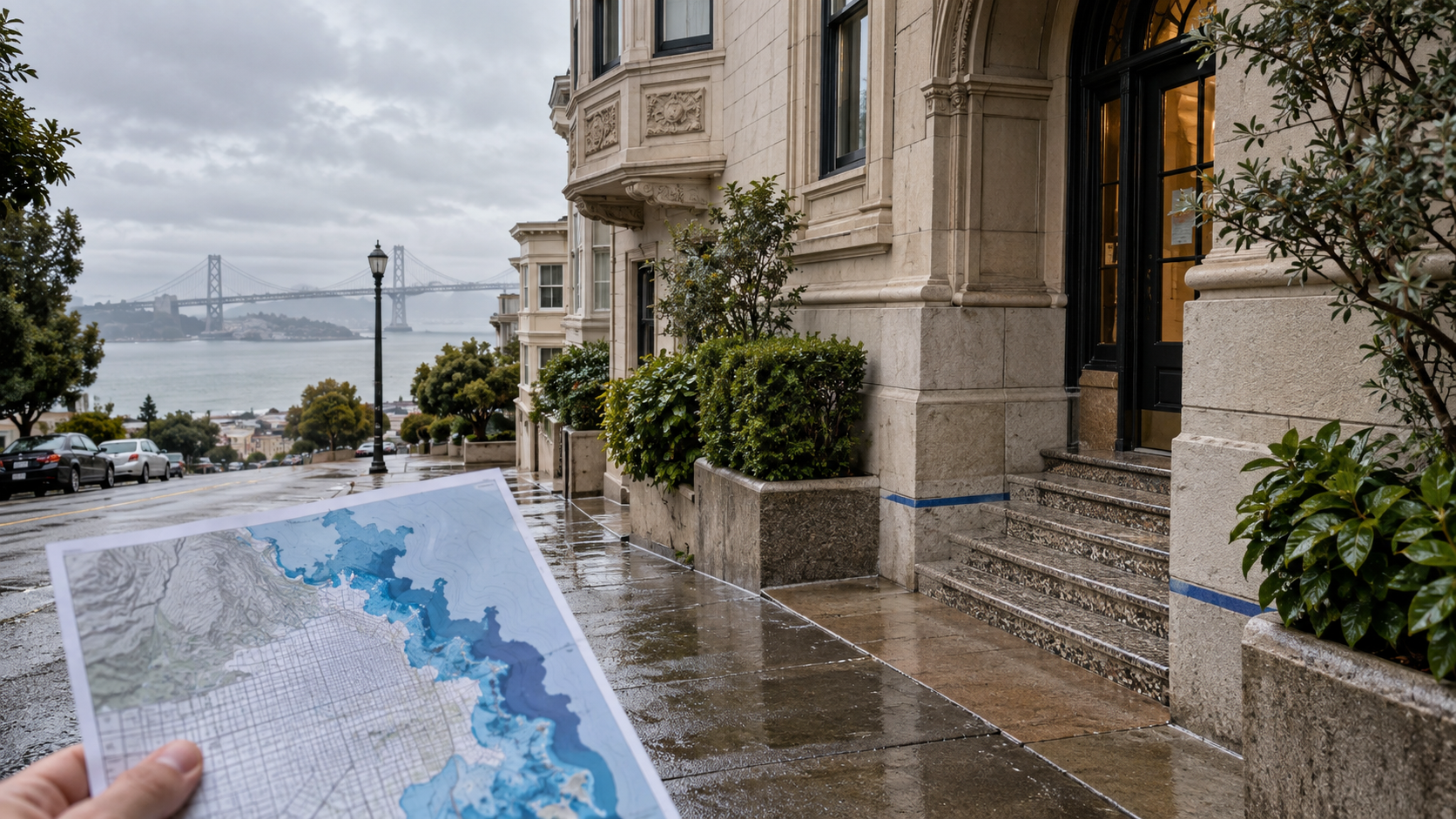
Identify the location-specific change
A new location, a change in occupancy, a lower-level improvement, stored equipment, or a revised lease can change the property facts worth discussing. Record the exact address, owning entity, construction details, contents or improvements involved, and whether operations depend on the space.
Gather property and continuity records
Use the property schedule, valuation support, lease, floor plan, maintenance information, photos, and a basic plan for temporary operations. If tenant improvements or equipment are involved, identify who owns them and the value basis. These records frame a review without assuming which peril is included.
Compare distinct policy questions
Review causes of loss, earthquake or earth-movement exclusions and endorsements, flood treatment, deductibles, sublimits, location schedules, valuation, business-income terms, and waiting periods where applicable. The question is not whether a peril sounds related to a building; it is what the issued wording provides for the described property and loss.
Document the next review
The National Flood Insurance Program and California Department of Insurance provide general material for commercial property owners. Use those resources to form questions, then retain the exact policy answers with the property file. Policy wording, declarations, and endorsements control and no general resource can establish coverage for a particular event.
- Exact location and occupancy
- Building, contents, and improvements
- Peril-specific exclusions and endorsements
- Deductibles and continuity questions